Now, we face a big question: How deeply can AI shape health outcomes, leading not just to recovery but also to peak health?


Scott Dylan is Dublin based British entrepreneur, investor, and mental health advocate. He is the Founder of NexaTech Ventures, a venture capital firm with a £100 million fund supporting AI and technology startups across Europe and beyond. With over two decades of experience in business growth, turnaround, and digital innovation, Scott has helped transform and invest in companies spanning technology, retail, logistics, and creative industries.
Beyond business, Scott is a passionate campaigner for mental health awareness and prison reform, drawing from personal experience to advocate for compassion, fairness, and systemic change. His writing explores entrepreneurship, AI, leadership, and the human stories behind success and recovery.
Now, we face a big question: How deeply can AI shape health outcomes, leading not just to recovery but also to peak health?

AI and VR together not only make things more interesting but also help areas like education and healthcare by offering new chances for experience.

There is a careful plan for drones to safely share the sky, ensuring they fly without trouble and stick to ethical rules.
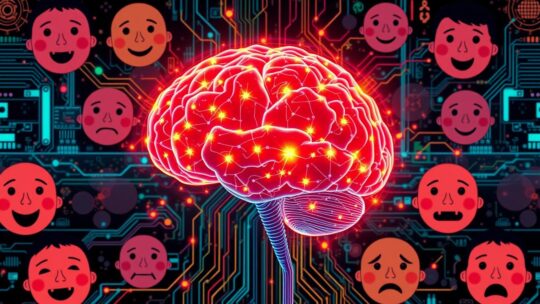
Affective computing, which helps understand emotional states, could become a huge market of an estimated $192 billion by 2027.

As we explore AI's benefits in energy management, we see how innovation can solve our urgent energy needs.

The pharma world is now using AI, including machine learning and deep learning, more and more to tackle the huge number of chemicals.

In the middle of all this change, one thing is clear: AI aims to work with, not take over, the creativity of humans.

It makes customer service better, meeting what customers expect and making companies more efficient.

This marks a new phase for sports groups, with AI making performance, medical, refereeing, and management processes more efficient.

The blend of machine learning and natural language processing has greatly improved the performance of virtual assistants.
Scott Dylan is Dublin based British entrepreneur, investor, and mental health advocate. He is the Founder of NexaTech Ventures, a venture capital firm with a £100 million fund supporting AI and technology startups across Europe and beyond. With over two decades of experience in business growth, turnaround, and digital innovation, Scott has helped transform and invest in companies spanning technology, retail, logistics, and creative industries.
Beyond business, Scott is a passionate campaigner for mental health awareness and prison reform, drawing from personal experience to advocate for compassion, fairness, and systemic change. His writing explores entrepreneurship, AI, leadership, and the human stories behind success and recovery.