

Why I’m Writing This
There are easier things to advocate for than prison reform. Criminal justice issues are politically fraught, emotionally charged, and deeply divisive. The public wants to believe that criminals deserve punishment, that prisons make society safer, and that anyone questioning these assumptions must be naive or sympathetic to serious wrongdoing. When I founded Inside Out Justice, I knew I’d be swimming against the current of public sentiment and political convenience. People who work in criminal justice reform are used to being labelled as soft on crime, as if wanting people to actually rehabilitate and stop offending is somehow lenient rather than rigorous. I’m writing this essay not to convince everyone—that feels impossible—but to explain why this work matters so profoundly to me, why I believe systematic reform is urgent, and what I’ve learned through years of engagement with the people and systems inside our prisons. This is personal in a way that most of my writing isn’t, because prison reform isn’t a cool tech trend or a venture capital opportunity—it’s a moral imperative.
The Moment Everything Changed
I can identify the precise moment I became serious about prison reform. I was training as a listener, listening to someone with extraordinary vulnerability describe their experience of imprisonment. What struck me wasn’t the details of their crime—that was almost irrelevant to the conversation—but rather the absolute dehumanisation they described experiencing within the system. They described being treated as a number, being subjected to arbitrary violence by officers and prisoners, being denied access to basic necessities, and emerging from their sentence fundamentally broken rather than rehabilitated. What haunted me most was their description of how prison destroyed their ability to connect meaningfully with other humans. They’d been imprisoned alongside hundreds of people, yet had never felt more profoundly isolated. This person needed support, healing, and genuine rehabilitation. Instead, they’d received punishment, trauma, and further alienation. I realised in that conversation that our prison system isn’t designed around any coherent theory of justice or rehabilitation. It’s simply a mechanism for containing people we find inconvenient, and the human cost of that containment is extraordinary.
Personal Experience With Complex PTSD
My own experience with Complex PTSD has shaped how I understand the experiences of people in prison. Complex trauma doesn’t announce itself in ways society easily recognises. For years, I functioned at high levels externally whilst carrying internal suffering that was largely invisible. I know what it feels like to live in a body that’s constantly in threat response, to struggle with emotional regulation, to find that normal social interaction can trigger overwhelming distress. And I know how precious it is when someone approaches you with genuine recognition of that struggle rather than dismissal or judgement. So many people in prison are there because of trauma – either trauma they experienced and never processed, or trauma they inflicted whilst in a state of psychological dysregulation. Our response to them is typically to inflict more trauma through imprisonment. This seems counterproductive, even cruel. If we genuinely wanted to reduce crime and help people stop offending, we’d be investing in trauma-informed approaches that help people understand what drives their behaviour and develop capacity to regulate themselves differently. Instead, we warehouse traumatised people in traumatising environments and then express surprise when they emerge unchanged or further damaged.
Autism and Late Diagnosis: Understanding Invisibility
My autism was diagnosed late in life, and the experience of recognising myself in diagnostic criteria I’d never before encountered was extraordinary. Suddenly, things that I’d thought represented personal failure made sense as neurological difference. I’d spent decades masking, performing normalcy, exhausting myself trying to fit into systems not designed for how my brain works. The broader implications of this realisation became increasingly clear: what if the system is structured in ways that make it essentially impossible for certain neurotypes to succeed? What if we’re punishing neurodivergence rather than accommodating difference? This realisation applies directly to our criminal justice system. Research shows that people with autism are overrepresented in prisons. People with neurodevelopmental conditions are overrepresented. People with undiagnosed mental health conditions are overrepresented. Rather than recognising that perhaps our systems are failing to accommodate diverse minds, we treat imprisonment as the appropriate response to behaviour that emerges from neurological difference. The idea that we’re imprisoning people at least partially because the system is structured incompatibly with how their brains work became viscerally real to me.
The Stories That Demanded Action
Samaritan training introduced me to human experiences I couldn’t ignore. I listened to men describe committing violence whilst in the grip of undiagnosed mental illness. I heard from people whose crimes emerged from survival circumstances so dire that traditional criminal law frames made little sense. I encountered people who’d been abused, exploited, and damaged in ways that no reasonable person could claim they bore full responsibility for their actions. These weren’t abstract cases—they were human beings describing their own journeys with eloquence and vulnerability. What struck me repeatedly was how little these realities feature in public discourse about crime. Political rhetoric frames offenders as bad people who deserve punishment, full stop. Yet the actual people experiencing imprisonment are vastly more complicated—they’re products of circumstances that created them, survivors of trauma, people with disabilities that went unaddressed, individuals whose mental health crises were met with criminal prosecution rather than medical response. Meeting these people and genuinely hearing their stories made continuing to accept our current system feel morally indefensible.
The Injustice of Injustice
As I learned more about how our criminal justice system actually operates, I became increasingly angry about the injustices embedded within it. The system is supposed to deliver justice, yet it systematically fails to do so. People from wealthy backgrounds access excellent legal representation and receive lighter sentences. People from economically disadvantaged backgrounds struggle to access adequate legal support and receive harsher sentences for equivalent crimes. Racial disparities permeate the system—Black individuals are disproportionately stopped by police, disproportionately prosecuted, and disproportionately imprisonment. Women in prison are overwhelmingly survivors of abuse, yet the system treats them as criminals rather than trauma survivors who need support. Young people whose brains are still developing are subjected to adult prison sentences despite extensive evidence that their brains are fundamentally different from adult brains. The system isn’t delivering blind, impartial justice—it’s delivering justice filtered through structural inequality, discrimination, and systemic failure. Accepting this seemed immoral.
The Futility of Punishment
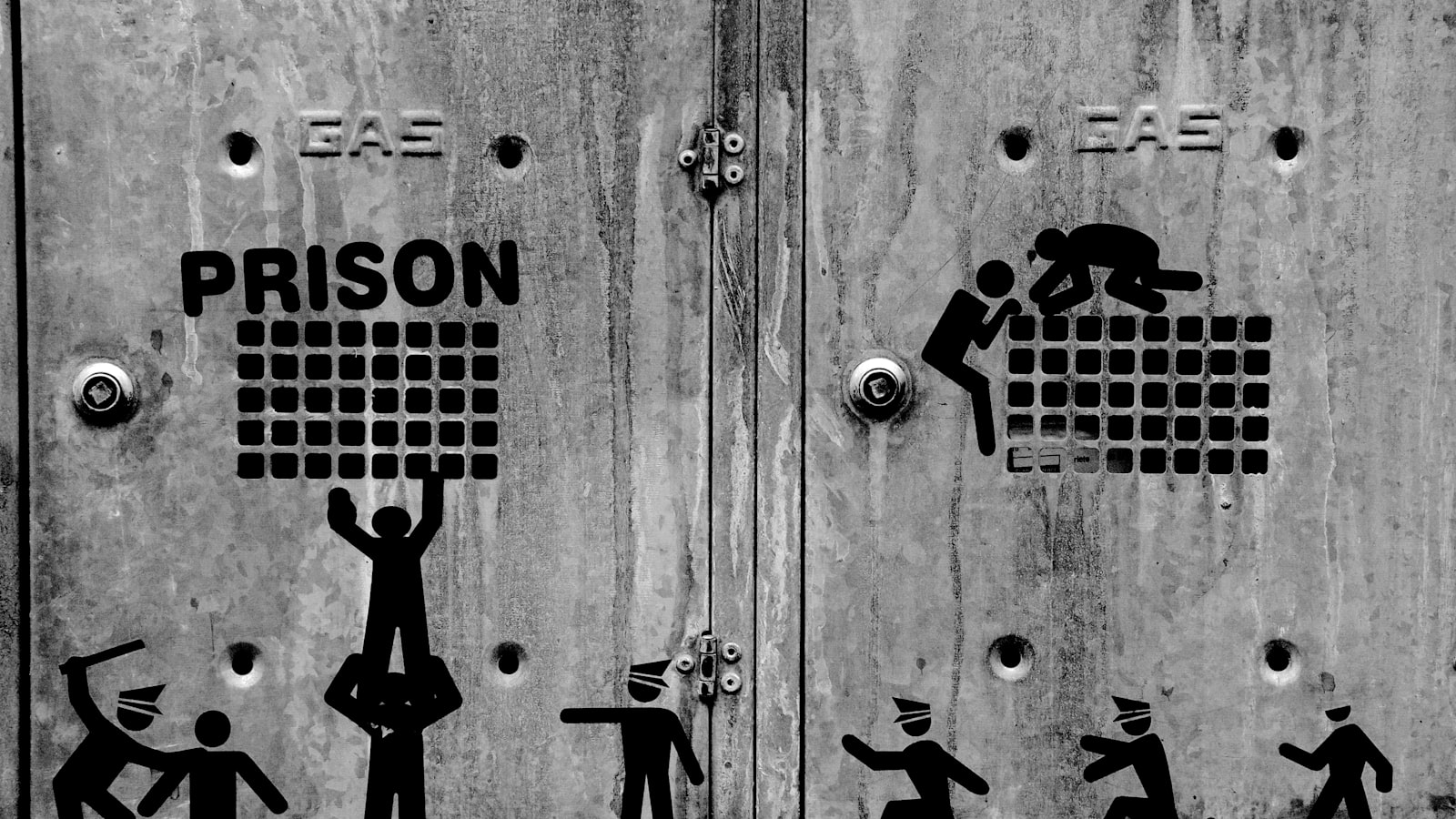
I came to prison reform through the simple observation that punishment doesn’t work. This isn’t an emotional assertion—it’s empirically demonstrable. Recidivism rates in England and Wales hover around 50% even for those who’ve completed prison sentences. Many people emerge from prison more damaged, more institutionalised, and more likely to reoffend than when they entered. If the goal was actually to reduce crime, we’d be horrified by these outcomes and desperately seeking alternatives. But we don’t seem horrified—we seem accepting. Politicians continue voting for longer sentences, harsher conditions, and more imprisonment despite overwhelming evidence that this approach doesn’t reduce offending. It’s as if we’ve collectively agreed that punishment is the point, that whether it reduces crime is secondary. This strikes me as morally bankrupt. If you’re genuinely concerned about reducing crime, the evidence points clearly towards rehabilitation, support, addressing root causes, and treating people as capable of change rather than permanently damaging. But that approach requires patience, investment, and belief in human possibility. Punishment requires none of those things—it just requires that we are collectively angry enough to inflict pain.
Inside Out Justice: What We Actually Do
I founded Inside Out Justice to pursue prison reform through evidence-based advocacy, direct support, and systemic change. The organisation operates through multiple mechanisms. We commission research into what actually works in criminal justice, providing evidence that policymakers can use to make better decisions. We provide direct support to people in prison and those released from prison, recognising that the transition from imprisonment to civilian life is often as traumatic as imprisonment itself. We work with families to maintain connection and support during and after imprisonment, recognising that prisoner families are often hidden victims of the system. We advocate for systemic changes, from mental health support in prisons to restorative justice programmes to alternatives to imprisonment. We partner with other organisations working in criminal justice, building a coalition of evidence-based practice rather than ideological positions. This multi-pronged approach reflects the reality that there’s no single solution to systemic problems—change requires action at multiple levels simultaneously.
The Power of Listening
My training as a Samaritan and later as a listener taught me something that turns out to be central to meaningful prison reform: the profound power of simply listening. When you listen to someone with genuine attention, without judgement, without trying to fix them or tell them what to do, something shifts in them. They feel genuinely heard, perhaps for the first time in years. This might seem unrelated to criminal justice reform, but it’s actually central to it. So much of what drives ongoing offending and ongoing suffering in the lives of people touched by crime is the experience of being completely unheard. Victims want to be heard—they want to tell someone about the impact of what happened to them and have that impact genuinely recognised. Offenders want to be heard—they want someone to understand how they came to commit their crime, to recognise their capacity for change, to see them as human beings rather than walking offences. Inside Out Justice work is fundamentally about creating spaces where hearing becomes possible. We commission research because we want the voices of people affected by criminal justice to be heard in policy conversations. We provide direct support because we’re offering genuine listening. We advocate for restorative justice because those processes create formal structures for being heard.
The Invisible Victims: Families of Prisoners
One of the most unjust elements of our criminal justice system is how it treats families of prisoners. When someone is imprisonment, their family doesn’t commit the crime, yet they face extraordinary consequences. Children grow up without parents. Partners struggle financially and emotionally. Parents age without support from their imprisonment children. Extended family often feels shame about having someone in prison. The system offers virtually no support to these families, yet they’re integral to whether someone successfully reintegrates into society after release. Evidence shows that prisoners with strong family ties reoffend at lower rates. Yet prison policies often make maintaining family connection extraordinarily difficult. Visiting is restricted, phone calls are expensive, and the bureaucracy is deliberately designed to make contact challenging. It’s as if we’re actively working to sever the very connections that would most help someone change. Inside Out Justice works extensively with families because they’re a crucial lever for change that’s almost completely neglected by official systems. When we support family relationships, we’re simultaneously supporting prisoner rehabilitation, supporting family wellbeing, and actually addressing a core driver of reoffending.
Young People in the System: Moral Clarity
Perhaps the clearest moral case for prison reform involves young people. The adolescent brain is still developing. The prefrontal cortex, responsible for impulse control, future planning, and understanding consequences, isn’t fully developed until the mid-twenties. A fifteen-year-old’s brain is quite literally different from an adult’s brain, yet we imprison teenagers in adult prisons and often sentence them to adult prison terms. This seems to me morally indefensible. Young people are supremely capable of change—they’re still developing, still forming their fundamental understanding of the world, still capable of recognising mistakes and changing trajectory. Yet we respond to youth crime by placing young people in environments designed to damage them further. Some of my most painful conversations at Inside Out Justice have been with people who entered the youth justice system as teenagers, were imprisoned, and spent the next decades in prison because their initial sentence locked them into a trajectory. If we genuinely believed in redemption, in rehabilitation, in the possibility of change, we’d approach young people with particular care and investment. Instead, we often treat them with particular harshness.
The Intersection of Mental Health and Justice
One persistent theme in my conversations about prison reform is the intersection between mental health and imprisonment. Approximately half of prisoners experience mental health conditions. Many committed their crimes whilst in mental health crises. Nearly all experience serious deterioration in mental health during imprisonment. Yet our response is typically to treat imprisonment itself as the health intervention. People experiencing psychosis, depression, self-harm impulses, or suicidal ideation are housed in prison rather than psychiatric facilities. Prisons are fundamentally unsuitable environments for people in mental health crises. They’re noisy, chaotic, often violent, and staffed by people trained in security rather than mental health. Prisoners in crisis get medication, but they don’t get proper psychiatric care, therapy, or the quiet and safety that psychological recovery requires. This strikes me as both cruel and counterproductive. If someone committed a crime whilst experiencing a serious mental health crisis, the appropriate response is treatment and support, not further trauma. Yet we’ve decided that imprisonment is the appropriate response regardless of the person’s mental state. Inside Out Justice advocates strongly for mental health diversion—creating pathways where people whose crimes are substantially driven by mental health conditions receive treatment rather than punishment.
Reintegration: The Forgotten Phase
The moment someone is released from prison is extraordinarily challenging. They emerge into a world that’s changed, where they’ve developed no recent work history, where they’re marked as criminals on background checks, where they often have nowhere to live and no support network. They face immediate pressure to secure employment, housing, and rebuild relationships. Many struggle with the sensory and social overwhelm of being back in society after years of imprisonment. Many experience severe mental health challenges as they finally process what they’ve experienced. Many reoffend quickly because the support available is inadequate and the barriers to reintegration feel insurmountable. Inside Out Justice recognises that true criminal justice reform requires support at the point of release. We work with reintegration programmes, help people navigate the bureaucracy of rebuilding their lives, and provide emotional support through the transition. This work is often unsexy and unglamorous—it’s about helping someone get a CV together, navigate a job interview, find stable housing. Yet it’s also tremendously important because people who successfully reintegrate don’t reoffend. The investment in support at the reintegration phase pays dividends in reduced crime.
Why Public Narrative Matters
I’ve become increasingly convinced that the primary barrier to prison reform isn’t evidence or feasibility—it’s public narrative. The evidence supporting rehabilitation over punishment is overwhelming. The evidence showing that many people in prison could be supported in the community rather than imprisoned is compelling. The evidence demonstrating that alternatives to prison reduce reoffending is clear. Yet none of this translates into policy change because it conflicts with the dominant public narrative about crime and justice. That narrative holds that people commit crimes because they’re bad, that punishment is therefore appropriate, and that anyone questioning punishment is soft on crime. Creating space for a different narrative—that people commit crimes for understandable reasons, that they’re capable of change, that we should focus on preventing future harm rather than inflicting past punishment—is therefore crucial. This is partly why I’ve invested time in writing, speaking, and engaging in public conversation about prison reform. Changing policy requires first changing what feels narratively acceptable. Right now, evidence-based, compassionate prison reform sounds radical because the dominant narrative is so punitive.
The Cost of Ignoring Trauma
One insight that’s become increasingly clear through my work is that ignoring trauma in the criminal justice system is extraordinarily expensive. People who’ve experienced significant trauma frequently end up in the criminal justice system as a result of that trauma. Women who’ve been abused often commit crimes as part of survival or escape. Men who’ve experienced violence frequently perpetuate violence. Young people who’ve been exploited often commit crimes as part of their exploitation or in response to it. Yet instead of treating imprisonment as an opportunity to address trauma, we use it as a mechanism to inflict further trauma. This creates a vicious cycle wherein trauma leads to crime, crime leads to imprisonment, imprisonment leads to further trauma, further imprisonment and increasing likelihood of reoffending. If we genuinely wanted to break this cycle, we’d invest in trauma-informed care within prisons. We’d create environments designed to support healing rather than inflict pain. We’d recognise that many of the people we’re punishing are actually victims themselves who desperately need support. This would be substantially more expensive in the short term than current prison systems, but far cheaper in the long term when you account for reduced reoffending.
What Gives Me Hope
Despite the challenges, I see genuine reasons for hope. Across England and Wales, pockets of evidence-based practice demonstrate what’s possible. Restorative justice programmes show that alternatives to traditional prosecution work. Drug courts show that treating drug-related crime as a health issue rather than a criminal issue reduces reoffending. Intensive probation programmes show that people can be supervised effectively in the community rather than warehoused in prisons. The evidence base is getting stronger, and more policymakers are paying attention. I see growing recognition, particularly among younger people, that our current system isn’t working. The conversations I have with people entering law, criminology, or social work show far more nuance about criminal justice than previous generations displayed. There’s genuine energy around alternatives, around restorative justice, around supporting rather than punishing. The change will be slow, and it will be tremendously resisted by those invested in the current system. But I believe change is possible if we collectively decide it’s worth pursuing.
Why This Matters Beyond Crime
Prison reform might seem like a narrow policy issue, relevant primarily to people involved in crime. But it’s actually central to much broader questions about how we treat human beings, how we respond to complexity and suffering, and what kind of society we want to be. The way we treat our most vulnerable people—and prisoners are among the most vulnerable—says something profound about our values. When we choose punishment over rehabilitation, when we choose imprisonment over support, when we choose revenge over restoration, we’re making a statement about who we are. I believe we should be making different statements. I believe we should be saying that we believe in human capacity for change, that we want to reduce harm to victims rather than inflict additional harm on offenders, that we recognise the role of circumstance and disadvantage in crime and want to address those causes rather than simply punish their consequences. This isn’t naive—it’s pragmatic and compassionate. It’s also the only approach that the evidence suggests actually works.
The Call to Action
If you’ve read this far, I want to offer a simple call to action. Firstly, examine your own assumptions about crime and justice. Where do they come from? Are they based on evidence or on cultural narratives? Are they actually producing the outcomes you want? Secondly, engage with the complexity. Don’t reduce people to their worst action. Don’t assume punishment is obviously the right response. Don’t ignore evidence that challenges your assumptions. Thirdly, support organisations working on prison reform. Whether through Inside Out Justice or other charities, this work is desperately underfunded. Your support, financial or otherwise, genuinely matters. Finally, change your conversations. If you’re discussing crime, include nuance. Acknowledge that people committing crimes are complex human beings, that there are usually understandable reasons for their actions, that rehabilitation is possible. None of this is naive. All of it is supported by evidence. But cultural change around criminal justice requires millions of people to begin thinking and talking differently.
A final thought: Why I Can’t Turn Away
I could have built a perfectly successful career in venture capital, investing in technology and ignoring the complex social problems that don’t have venture-friendly solutions. I could have treated prison reform as something to donate to charitably without getting substantially involved. I could have maintained the distance that allows you to avoid really confronting the human cost of systems you benefit from. But I listened to real people describing real suffering. I understood through my own experiences with trauma and neurodivergence what it means to be treated as fundamentally broken rather than differently designed. I became convinced that the current system is not only morally indefensible but also practically counterproductive. Once you see these things clearly, turning away feels impossible. This work is difficult, often thankless, and frequently feels futile against systems of institutional inertia. But it matters. The people affected by the criminal justice system matter. Their suffering matters. Their capacity for change matters. Their dignity matters. And I cannot abandon that commitment.
You May Also Like
- Through the Gates: Why Post-Release Support Is the Real Test of Prison Reform
- Drug Policy and Prison Reform: A Conversation Britain Needs to Have
- Neurodiversity in the Criminal Justice System: An Overlooked Crisis
Discover more from Scott Dylan
Subscribe to get the latest posts sent to your email.