During one acquisition, we completely restructured how space was used and it directly improved how effectively departments collaborated.


Scott Dylan is Dublin based British entrepreneur, investor, and mental health advocate. He is the Founder of NexaTech Ventures, a venture capital firm with a £100 million fund supporting AI and technology startups across Europe and beyond. With over two decades of experience in business growth, turnaround, and digital innovation, Scott has helped transform and invest in companies spanning technology, retail, logistics, and creative industries.
Beyond business, Scott is a passionate campaigner for mental health awareness and prison reform, drawing from personal experience to advocate for compassion, fairness, and systemic change. His writing explores entrepreneurship, AI, leadership, and the human stories behind success and recovery.
During one acquisition, we completely restructured how space was used and it directly improved how effectively departments collaborated.

It naturally leads to a bit of competitiveness and conversation between participants so it’s a great ice breaker on its own for newly merged teams.

I've found that how you invest in training directly impacts productivity, employee retention, and organisational capability.

The good news is that with intentional effort, remote working environments can provide excellent support for mental wellbeing.

Instead, employees are increasingly drawn to organisations that invest in their wellbeing, development, and quality of life.

Good managers accumulate talent because people want to work for them—not because they're nice, but because they genuinely help people improve.
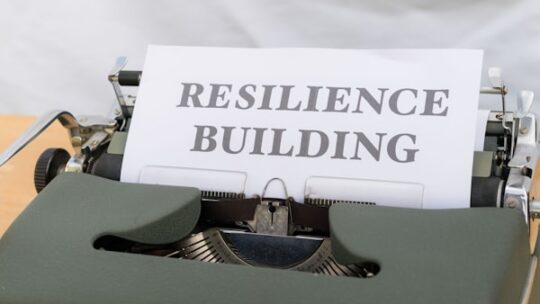
What isn't unavoidable is letting negativity fester unchecked until it corrodes your ability to integrate two organisations.

When I arrive at a business with collaboration problems, the first thing I do is resist the impulse to immediately implement solutions.

I've seen acquisitions succeed beautifully because leadership prioritised getting teams genuinely on board from day one.
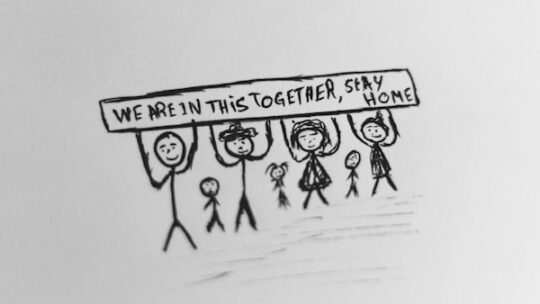
They're built on understanding individual strengths, setting realistic goals, and creating environments where people actually want to work together.
Scott Dylan is Dublin based British entrepreneur, investor, and mental health advocate. He is the Founder of NexaTech Ventures, a venture capital firm with a £100 million fund supporting AI and technology startups across Europe and beyond. With over two decades of experience in business growth, turnaround, and digital innovation, Scott has helped transform and invest in companies spanning technology, retail, logistics, and creative industries.
Beyond business, Scott is a passionate campaigner for mental health awareness and prison reform, drawing from personal experience to advocate for compassion, fairness, and systemic change. His writing explores entrepreneurship, AI, leadership, and the human stories behind success and recovery.