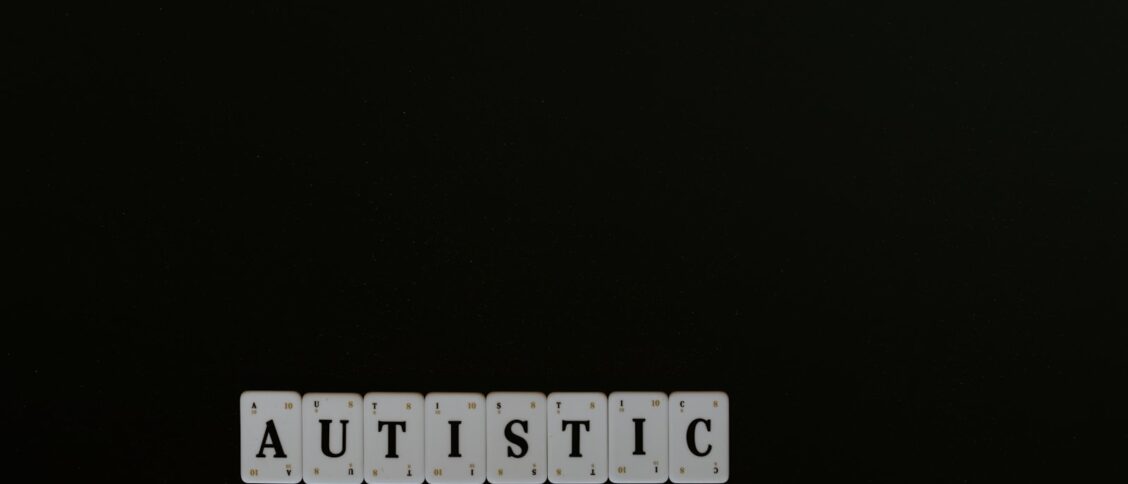
I was in my thirties when I received an autism diagnosis. By that point, I’d built a business, managed millions of pounds, made investment decisions affecting people’s livelihoods, and lived decades believing I was simply bad at certain things that others found easy. The diagnosis didn’t change who I am—it fundamentally changed how I understand myself.
For most of my life, I’d internalised the narrative that I was difficult, inflexible, or socially awkward. In professional settings, I’d learned to perform neurotypicality. In social situations, I’d developed elaborate coping mechanisms. The exhaustion of this constant translation was something I barely acknowledged because I didn’t know it was a choice I was making.
I’m not alone in this experience. According to recent NHS data, approximately 1 in 57 UK children receive an autism diagnosis. That figure sounds reasonable until you consider that diagnostic rates have increased significantly over the past two decades, and research suggests the true prevalence of autism is roughly 1 in 30-40 people. The gap between diagnosis rates in children and the actual prevalence of autism in the population points to a vast number of undiagnosed adults.
The average wait time for an adult autism diagnosis in the UK is between three and five years. Some people wait significantly longer. This isn’t a minor bureaucratic delay—it’s years of uncertainty, self-doubt, and the opportunity cost of not accessing support, understanding, and community that could transform how you navigate the world.
Why Adults Slip Through the Diagnostic Net
Autism presents differently across the lifespan. Children diagnosed at school age often display behaviours that teachers and parents recognise—difficulty with social interaction, specific interests, repetitive behaviours. Adults, particularly those who’ve been masking for decades, show up differently. We’ve developed workarounds. We’ve learned scripts. We’ve trained ourselves to sit still in meetings, to make eye contact, to ask socially appropriate questions. On the surface, we look fine.
Masking is the term used to describe how autistic people hide or suppress autistic traits to fit into neurotypical society. It’s the difference between how you feel internally and how you present externally. For women particularly, masking has historically meant that autism was missed entirely. Research from Cambridge and University College London shows that autistic women are frequently diagnosed later than autistic men, often not until their twenties, thirties, or beyond. Some women aren’t diagnosed until they’re in their fifties or sixties.
Gender disparities in autism diagnosis reflect a fundamental bias in how we’ve understood autism itself. The diagnostic criteria were developed through observation of white boys and men. Autism in girls and women presents differently—often internalised rather than externalised. Girls are more likely to have special interests that blend into their peer groups rather than standing out, to form friendships (albeit often with difficulty), and to present as shy or anxious rather than socially uninterested. These differences meant that generations of women were told they had anxiety, depression, or personality disorders, but not autism.
Adult diagnostic services are also severely under-resourced. The NHS waiting lists for adult autism assessment have grown substantially. Many private assessments cost between £500 and £2,500. This creates a two-tier system where diagnosis depends not on clinical need but on financial privilege. Those without access to money have to wait years on NHS lists. Those without awareness that they might be autistic don’t seek diagnosis at all.
The Weight of Years Before Understanding
There’s a particular kind of grief that comes with late diagnosis. I spent decades thinking I was broken rather than wired differently. Every time I struggled with something others found effortless, I interpreted it as a personal failing. Every meltdown was weakness. Every preference for solitude was antisocial behaviour. Every time I couldn’t understand an unspoken social rule, I felt stupid.
What changes with diagnosis is not the autistic traits themselves—they’ve been there all along. What changes is the story you tell yourself about what they mean. The rigidity that made me challenging to work with in my twenties is the same pattern-recognition and commitment to process that helps me as an investor. The intense focus that meant I couldn’t attend to multiple conversations simultaneously is the same hyperfocus that allowed me to build Nexatech Ventures. The difficulty with small talk that I experienced as social inadequacy is actually a preference for deeper, more substantive conversation.
Late diagnosis can feel like losing years you can’t get back. There’s legitimate anger in that. I didn’t get support I needed as a child, teenager, or young adult. I didn’t know there were others like me. I experienced depression and anxiety that might have been prevented if I’d understood myself earlier. The years of trying to be neurotypical, of burning energy on masking, took a toll on my mental health and relationships.
Yet there’s also something valuable in arriving at diagnosis when you have decades of life experience. You’re not discovering autism in the abstract—you’re applying it to a life you’ve actually lived. You can look back at relationships, career decisions, patterns of overwhelm, and suddenly understand the consistent thread running through them. You can recognise which struggles were genuinely about autism and which were about other factors. That retrospective understanding can be liberating.
How Diagnosis Reshapes Identity and Relationships
Identity isn’t simple for anyone, but for adults diagnosed with autism later in life, it becomes particularly complex. You have decades of identity built on the assumption that you’re neurotypical—even if that identity includes a sense of being slightly strange or different. A diagnosis doesn’t erase that history, but it recontextualises it entirely.
In relationships, late diagnosis often explains dynamics that have been confusing or painful. Partners might finally understand why you need more quiet time than they do, why you find certain social situations exhausting, why you process information differently. Some people find this liberating—the tension becomes understandable rather than hurtful. Others find it destabilising. A partner who thought they married someone who preferred them to their family might realise they married someone who genuinely has difficulty navigating group dynamics.
Professionally, diagnosis can be transformative or complicated, depending on your field and your willingness to disclose. In entrepreneurship and investment, neurodiversity can be framed as an asset. The pattern recognition, the attention to detail, the special interest that might develop into deep domain expertise—these are valuable. But disclosure is still risky. Workplace culture in most sectors remains neurotypical-centric. You might fear being seen as damaged or unreliable. Many autistic professionals choose not to disclose at all.
What I’ve found is that understanding my autism has made me a better leader and investor. I’m more aware of my own processing style, which means I can communicate it clearly to others rather than expecting them to guess. I’ve learned to set better boundaries around the social energy I expend in meetings. I’m more explicit about deadlines and expectations rather than assuming they’ll be inferred. I’ve stopped apologising for needing to think before responding.
The System Needs to Change
The fact that adult diagnosis in the UK takes three to five years is not acceptable. Those waiting periods represent real cost in human terms—people managing in crisis mode, making major life decisions without relevant information, struggling with mental health issues that might improve dramatically with understanding and support.
We need diagnostic services that are adequately funded and specifically designed for adults. We need clinicians trained to recognise autism as it presents in adults rather than looking for the presentation they remember from diagnostic criteria based on children. We need a particular focus on addressing the gender diagnostic gap, which means understanding how autism presents in women, non-binary people, and girls from the start.
We also need to normalise the conversation about neurodiversity more broadly. Autism isn’t a disorder that needs to be managed away—it’s a fundamental difference in how the brain processes information. That difference comes with genuine challenges, particularly in a world designed for neurotypical nervous systems. But it also comes with strengths. Society could benefit from understanding and accommodating that difference rather than expecting all autistic people to spend their lives masking.
For parents of undiagnosed autistic children, for adults wondering if they might be autistic, for people struggling with the gap between how they feel and how they’re perceived—seek diagnosis. Not because diagnosis is a cure for being autistic, but because it’s the beginning of understanding yourself accurately. That understanding changes how you move through the world. It explains the things that confuse others about you. It connects you to community. It allows you to build a life aligned with how you actually function, rather than exhausted by the effort of pretending to function differently.
The diagnosis didn’t make me autistic. I was always autistic. The diagnosis just made me aware of it. And that awareness has been one of the most significant gifts I’ve given myself.
Scott Dylan is Dublin based British entrepreneur, investor, and mental health advocate. He is the Founder of NexaTech Ventures, a venture capital firm with a £100 million fund supporting AI and technology startups across Europe and beyond. With over two decades of experience in business growth, turnaround, and digital innovation, Scott has helped transform and invest in companies spanning technology, retail, logistics, and creative industries.
Beyond business, Scott is a passionate campaigner for mental health awareness and prison reform, drawing from personal experience to advocate for compassion, fairness, and systemic change. His writing explores entrepreneurship, AI, leadership, and the human stories behind success and recovery.
Scott Dylan is Dublin based British entrepreneur, investor, and mental health advocate. He is the Founder of NexaTech Ventures, a venture capital firm with a £100 million fund supporting AI and technology startups across Europe and beyond. With over two decades of experience in business growth, turnaround, and digital innovation, Scott has helped transform and invest in companies spanning technology, retail, logistics, and creative industries.
Beyond business, Scott is a passionate campaigner for mental health awareness and prison reform, drawing from personal experience to advocate for compassion, fairness, and systemic change. His writing explores entrepreneurship, AI, leadership, and the human stories behind success and recovery.