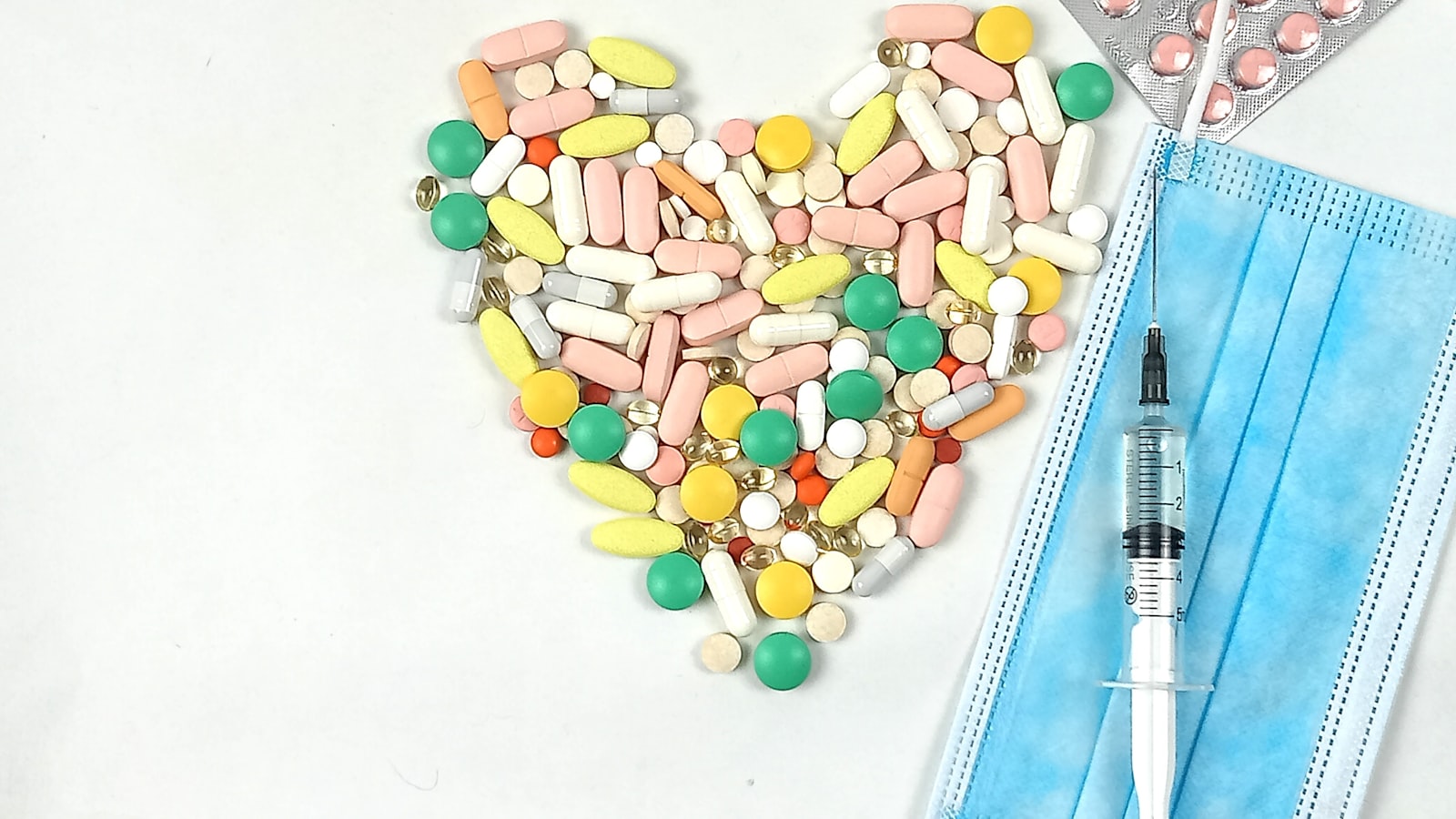
There’s a question that British prison policy has been struggling with for decades, and most of us outside the criminal justice system don’t really talk about it: what do we actually do about drugs in prison? It’s not an academic question. Drugs are ubiquitous in UK prisons. Substance abuse is a significant factor in most prisoners’ offending behaviour. Drug treatment in custody is inadequate. Many prisoners leave prison with addiction problems worse than when they arrived. We know this. Yet our policy response has been fundamentally incoherent, oscillating between abstinence-focused approaches that don’t work and harm reduction approaches we’re too squeamish to fully embrace. I’ve been involved in criminal justice reform for years now, and this contradiction is one of the most frustrating.
The stakes are genuinely high. If we can’t address drug addiction in prison, we can’t reduce reoffending. If we can’t reduce reoffending, we can’t reduce crime or the costs of imprisonment. If we can’t reduce imprisonment costs, we can’t build the kind of justice system that actually rehabilitates people. It all connects. Drug policy in prisons isn’t a peripheral issue. It’s central to whether the criminal justice system functions at all.
The Prevalence of Drugs in UK Prisons
Let’s start with the scale. Official statistics on drug use in UK prisons are problematic because they depend on self-reporting and drug tests that are often evaded. But research suggests that drug use is rampant. Surveys of prisoners indicate that substantial percentages have used drugs while in custody. Studies have found that over eighty percent of prisoners have used drugs at some point in their lives. Many brought addictions into prison. Many developed addictions while inside. The Prison Reform Trust has reported that almost half of prisoners have drug dependency issues. This isn’t a minority problem. It’s the reality of the prison population.
The types of drugs vary. Heroin use in prisons has been declining, partly due to aggressive interdiction efforts. Cannabis use is common and relatively accessible. Synthetic cannabinoids—often called spice or K2—became rampant in recent years because they’re harder to detect and are produced more recently, creating more acute effects and more problematic behaviour. More recently, synthetic opioids like fentanyl have appeared. The drugs available in prisons evolve as law enforcement disrupts supply chains and as new synthetic drugs become available. What’s constant is that drug markets exist and are actively functioning inside every major prison.
How Drugs Enter Prisons
The supply chain for drugs in prisons is genuinely impressive from a logistics perspective, even if troubling from a criminal justice perspective. Drugs arrive through multiple vectors: visitors concealing them, corrupt staff smuggling them in, drones dropping packages over prison walls, parcels sent through the post, and visitors smuggling them in contact visits. The Prison Service has invested in detection—drug dogs, enhanced security, mail screening—but the incentives for supply are enormous. Prisoners will pay enormous premiums for drugs because supply is restricted. The economics make smuggling extraordinarily profitable. Someone can make more money smuggling drugs into a single prison for a month than they could make working legally for a year.
This creates a perverse dynamic. The restriction on drug supply drives the price up, which drives the profitability of smuggling up, which drives more smuggling attempts. The attempted interventions increase costs without eliminating supply. At the same time, drug markets inside prisons create significant security problems. Violence erupts over drug debts. Prisoners become indebted to drug suppliers, which translates into coercion and control. Drugs themselves can precipitate violent or chaotic behaviour. The effort to maintain security in a drug-influenced prison becomes substantially more difficult and resource-intensive.
Psychoactive Substances: A New Problem
Beyond traditional drugs, UK prisons have dealt with an explosion of psychoactive substances—novel synthetic drugs designed to evade legal restrictions. These substances are often produced by clandestine chemists who modify drug structures to stay ahead of legislation. They can be more potent and have less predictable effects than their parent compounds. Synthetic cannabinoids are perhaps the most notorious. They produce cannabis-like effects but can be extremely potent and often precipitate acute psychological effects—anxiety, paranoia, hallucinations, violent behaviour—more frequently than traditional cannabis.
The appearance of psychoactive substances in UK prisons has been a serious problem over the past decade. Prison governors and security officials have reported significant increases in chaotic behaviour associated with synthetic cannabinoid use. Prisoners become aggressive, disoriented, difficult to manage. Security incidents increase. Medical emergencies increase. The substances are often difficult to detect. Drug tests for novel psychoactive substances lag behind production of new compounds. By the time a test is developed for a substance, chemists have already modified it and created new analogues. The result is a cat-and-mouse game where prisons are constantly struggling with substances that are hard to test for and hard to manage.
The Case for Abstinence-Based Approaches
Current UK prison drug policy is nominally abstinence-based. The theory is clear: remove drug supply, encourage prisoners to address addictions, support recovery. If successful, prisoners would leave prison without active addictions and would have a better chance of remaining crime-free. From a moral perspective, this is attractive. Addiction is a serious problem. If we can help people overcome addiction through imprisonment, that’s valuable. The appeal is obvious. The problem is that abstinence-based approaches, when implemented in isolation without adequate treatment and support, simply don’t work.
Abstinence-only approaches depend on several things happening simultaneously: drug supply being effectively eliminated from prisons, treatment services being available and effective, prisoners being motivated to engage with treatment, and environmental factors supporting recovery. In reality, most of these conditions are rarely met. Drug supply is never fully eliminated. Treatment services are chronically underfunded and understaffed. Many prisoners are not motivated to engage—drug use is coping mechanism for the trauma and stress of imprisonment. And the prison environment itself is often antithetical to recovery, being stressful, often unsafe, and sometimes exploitative.
The Harm Reduction Alternative
Harm reduction approaches start from a different premise. Rather than assuming abstinence is achievable or even always necessary, harm reduction focuses on minimising the harms associated with drug use. In prison, this means providing clean needles and safe injecting facilities to prevent transmission of blood-borne diseases like HIV and hepatitis C. It means providing opioid substitution treatment—methadone or buprenorphine—so that prisoners don’t experience acute withdrawal and don’t have incentives to acquire heroin. It means providing naloxone—an opioid antagonist—to reduce overdose deaths. It means providing treatment services that meet people where they are rather than demanding abstinence as a prerequisite for help.
From a public health perspective, harm reduction is extraordinarily effective. Providing needle exchange and opioid substitution treatment dramatically reduces HIV transmission and hepatitis C among injecting drug users. These diseases cause long-term morbidity and mortality. Preventing transmission is an unambiguous public health good. Providing naloxone reduces overdose deaths. Again, unambiguous good. The evidence is overwhelming that harm reduction saves lives and improves health outcomes. Yet many countries, including the UK, have been reluctant to fully implement harm reduction in prisons. Why? Largely because it feels like we’re accommodating drug use rather than fighting it.
The British Squeamishness
There’s a peculiarly British attitude toward drug policy that I find frustrating. We want prisoners to recover from addiction, but we’re uncomfortable with approaches that involve providing drugs in any form—even as medical treatment. Opioid substitution treatment is often seen as trading one addiction for another rather than as legitimate medical treatment for addiction. Harm reduction approaches are sometimes characterised as giving up on recovery. This attitude makes sense emotionally but doesn’t hold up to scrutiny. Methadone maintenance isn’t enabling addiction; it’s treating it. A patient on stable methadone has stopped the chaotic drug-seeking behaviour that characterises active addiction. They can work, maintain relationships, follow rules. They’re functionally normal. Is maintaining them on methadone and then eventually tapering them off better than the alternative? The evidence says absolutely yes.
But British policy has been reluctant to embrace this. Methadone and buprenorphine programmes in UK prisons are underfunded and often rationed. Not every prisoner with opioid addiction can access substitution treatment. Needle exchange in prisons is not available in most facilities, despite the clear evidence of harm reduction. The attitude is that harm reduction feels like accommodation and therefore is ethically problematic. That’s backwards. The ethical failure is not providing harm reduction when evidence demonstrates its effectiveness. The ethical failure is allowing preventable disease transmission and overdose deaths because we’re too uncomfortable with the implications of harm reduction.
Drug Treatment in Custody: The Current State
Drug treatment services in UK prisons are fragmented and inadequate. Some prisons have dedicated drug treatment teams. Others have minimal services. Waiting lists for treatment can be substantial. The types of treatment available include structured day programmes addressing drug use alongside other issues, cognitive-behavioural therapy, group support, and some opioid substitution treatment. The quality and intensity of treatment varies tremendously depending on the prison. Some facilities have excellent programmes. Others have minimal provision. This inconsistency means that treatment outcomes depend partly on which prison you’re in, not just on individual factors. That’s not acceptable.
Moreover, drug treatment in custody faces a fundamental problem: it’s difficult to implement effectively in an environment where drugs are available. If treatment is addressing drug addiction while drugs remain easily accessible, the treatment is swimming upstream. Some treatment programmes respond by trying to make prisons drug-free by restricting access. Others acknowledge that some drug use will occur and focus on minimising harm and motivating behaviour change. Neither approach is fully satisfactory. But the key point is that treatment in the context of available drugs is qualitatively different from treatment in the context of scarcity. The environment matters enormously.
Abstinence Versus Maintenance: A False Choice
One of the most counterproductive aspects of the current debate is that it’s framed as abstinence versus maintenance treatment—as if these are alternatives rather than components of a continuum of care. Ideally, treatment should involve moving people from active addiction toward stable maintenance, then gradually toward abstinence. For some people, the endpoint is complete abstinence. For others, particularly those with severe and complex addiction, stable maintenance on substitution treatment might be a more realistic and healthier long-term outcome than abstinence. Both are legitimate treatment goals. The appropriate goal depends on individual circumstances.
In practice, this means prisons should have methadone and buprenorphine available for people with opioid addiction. They should support engagement with treatment. They should gradually reduce doses for people who can tolerate it. And they should accept that some people will remain on substitution treatment long-term without being considered treatment failures. This is what evidence-based practice looks like. It’s not giving up on recovery. It’s being realistic about what’s achievable and focusing on reducing harm and improving function rather than imposing arbitrary abstinence goals that people can’t meet.
The Portuguese Model: A Different Approach
Portugal provides an interesting comparison. In 2001, Portugal decriminalised possession of small quantities of all drugs. Rather than arresting people for drug possession, they’re referred to ‘dissuasion commissions’ consisting of legal, social work, and healthcare professionals. These commissions aim to understand the person’s situation and recommend appropriate interventions. Interventions can range from treatment to social support to no action. The goal is public health rather than punishment. This isn’t legalisation—supply and trafficking remain illegal. But possession for personal use is treated as a public health matter rather than a criminal justice matter.
The results have been notable. Portugal’s drug use rates have not increased following decriminalisation; they’ve generally remained lower than European averages. HIV transmission among injecting drug users has dropped substantially. Drug-related deaths have decreased. Drug treatment engagement has improved. What decriminalisation did was remove the criminal stigma from addiction, making people more willing to seek help. It shifted focus from punishment to treatment and support. The model is not perfect—drug use remains a problem, and treatment outcomes depend on service availability—but it demonstrates that moving away from purely criminalistic approaches and toward public health approaches can be effective.
Portugal’s approach is broadly consistent with harm reduction and with recognising addiction as a health problem rather than a criminal problem. The UK hasn’t decriminalised drug possession—we remain committed to the criminalistic approach—but we could learn from Portugal’s experience. Within prisons, we could implement more explicitly health-centred approaches rather than treating drug addiction primarily as a security problem. This might mean accepting some drug use while providing treatment and harm reduction. It might mean focusing on reducing harm while supporting behaviour change. It might mean developing specific competencies among prison staff in managing addiction and supporting recovery.
The Dame Carol Black Review and Prison Drug Treatment
In 2020, Dame Carol Black’s Review of drugs in prisons was published. This was a comprehensive assessment of drug use, trafficking, and treatment in the UK prison system. The review’s findings were damning: drug markets are thriving, treatment is inadequate, security approaches alone are insufficient. The review recommended shifting toward a public health approach to drug use in prisons, expanding treatment services, implementing needle exchange, improving integration between prison healthcare and criminal justice, and taking seriously the role of drugs in preventing rehabilitation.
The review’s recommendations were sensible and evidence-based. Implementation has been partial and slow. Some recommendations have been acted on. Prison drug treatment services have received some additional funding. There’s been movement toward recognising drugs as a public health issue rather than purely a security issue. But the shift hasn’t been as comprehensive as the review suggested. The fundamental tension between punishment and treatment remains unresolved. The abstinence-first orientation persists even as evidence indicates its limitations. The changes have been incremental rather than transformative. Which is frustrating because the need for transformation is clear.
The Consequences of Policy Failure
When drug policy in prisons fails—when treatment is inadequate and harm reduction is absent—the consequences cascade. Prisoners with untreated or inadequately treated addiction leave prison and resume using drugs at higher levels. They’re now also stigmatised with a criminal record, which makes employment and housing difficult. They return to the same communities and circumstances that were associated with their original offending. Many reoffend. Studies show that reoffending rates are higher for prisoners with drug addiction issues, particularly those whose addiction hasn’t been effectively addressed. The result is more people being convicted and returned to prison. The cycle perpetuates.
Beyond reoffending, there are public health consequences. Prisoners released with active drug addictions are more likely to overdose. Overdose deaths among recently released prisoners are a significant public health problem. There are disease transmission consequences—if harm reduction isn’t available in prisons, blood-borne disease transmission among injecting prisoners continues, and those prisoners carry those infections back to the community. There are social consequences—families are disrupted, communities destabilised, social ties damaged. There are economic consequences—the costs of repeated imprisonment far exceed the costs of effective treatment. All of these consequences could be reduced through more effective drug policy and treatment in prisons.
Resistance to Reform
So why hasn’t reform happened more rapidly? Several factors. First, there’s political resistance. Tough-on-crime approaches are popular with certain constituencies. Acknowledging that drugs are a health issue, not just a criminal issue, can be characterised as being soft on crime. Politicians are cautious about being portrayed as accommodating drug use, even if accommodation is strategically advantageous. Second, there’s institutional inertia. Prisons are security-focused organisations. Drug treatment is often seen as secondary to security. Reorienting toward a more health-centred approach requires significant institutional change, training, cultural shift. That’s difficult and slow.
Third, there’s genuine concern about implementation challenges. Introducing harm reduction approaches in prisons—needle exchange, for instance—requires careful management to avoid them creating security problems or being perceived as enabling drug use by staff or prisoners. The concerns are not unreasonable. Implementation does require thoughtfulness. But thoughtful implementation is possible, and the countries that have done it show that harm reduction and security can coexist. It’s not easy, but it’s achievable. Finally, there’s resource limitation. Effective drug treatment is expensive. Expanding treatment services requires funding that the prison service claims it doesn’t have. This is partly true—resources are genuinely limited. But it’s also partly a matter of priorities. We choose what to fund. We’ve chosen not to prioritise drug treatment in prisons at the level the evidence suggests is warranted.
What Evidence-Based Drug Policy Looks Like
An evidence-based approach to drugs in prisons would include several key elements. First, comprehensive opioid substitution treatment available to every prisoner with opioid addiction, with doses adequate to prevent withdrawal and craving. Second, evidence-based psychological treatment for drug addiction using cognitive-behavioural therapy, contingency management, and other proven approaches. Third, harm reduction measures including needle exchange for prisoners who inject, naloxone availability to prevent overdose deaths, and sexual health and drug-related disease prevention services. Fourth, integrated treatment that addresses not just drugs but co-occurring mental health problems, trauma, and social issues that underlie addictions.
Fifth, preparation for release that starts months before the person leaves custody, gradually reducing levels of medication and supervision while building social support networks and employment pathways. Sixth, continuity of treatment after release—no sudden discontinuation of medication, no gaps in care—so that the gains made in custody are maintained. Seventh, training for prison staff in understanding addiction as a health condition rather than a character flaw, in recognising addiction as often related to trauma, in providing compassionate support rather than punishment. And eighth, quality control and evaluation so that programmes are monitored for effectiveness and adjusted if outcomes are poor.
None of these elements are mysterious or cutting-edge. They’re all implemented in good-quality drug treatment services in the community. What’s required is applying these same principles and practices in custodial settings. It requires resources, yes. It requires institutional commitment, yes. But it’s entirely achievable. And the evidence is overwhelming that it works—that prisoners who receive effective drug treatment are less likely to reoffend, less likely to resume heavy drug use, more likely to achieve stable employment and housing, and more likely to thrive after release.
The Conversation We’re Avoiding
The conversation we need to have—and aren’t having—is about whether we actually want to reduce reoffending or whether we’ve implicitly accepted that recidivism is acceptable. If we genuinely want to reduce crime, the evidence is clear: address addiction, address mental health, provide skills and employment, maintain family connections. These interventions work. We know they work because they’ve been studied extensively. If we’re not implementing them, it’s not because they don’t work. It’s because we haven’t decided they’re a priority. We’ve decided punishment is a priority. We’ve decided that prisons should reflect society’s disapproval rather than society’s desire to reduce crime.
That’s a legitimate choice if it’s made deliberately and explicitly. But most people, I think, would choose effective crime reduction over symbolic punishment if forced to choose. Most people want fewer drug addicts, fewer crime victims, fewer prisoners. If that’s what we want, we need to change how we approach drugs in prisons. We need to expand treatment. We need to implement harm reduction. We need to shift cultural attitudes from punishment to rehabilitation. We need political courage to acknowledge that this is necessary. The question is whether we have that courage. So far, the answer has been no.
Personal Reflection
I’ve spent years in prison reform work, and I’ve visited dozens of prisons, spoken with hundreds of prisoners, learned their stories. I’ve never met someone in prison for drug-related offences who I believed was a bad person. I’ve met people who were sick, traumatised, self-medicating, caught in cycles they couldn’t escape. Some were exploitative, yes. But most were victims of their own addictions and the circumstances that gave rise to them. If we locked every one of them up for fifty years, the impact on public safety would be minimal. But if we treated their addictions, supported their recovery, helped them rebuild their lives—that would genuinely matter. That would reduce crime. That would create conditions for human flourishing rather than just warehousing human suffering.
The conversation about drugs in prisons isn’t really about drugs. It’s about what we believe prisons are for. Are they punishment? Incapacitation? Rehabilitation? Deterrence? The honest answer is that we haven’t resolved this question. We’ve created a system that does some of all of those things, which means it does none of them well. If we decided prisons were for rehabilitation, we’d implement evidence-based drug treatment. If we decided they were for punishment, we’d stop pretending that treatment matters. But as long as we’re ambivalent, we’ll continue doing inadequate versions of both while failing to achieve either. That’s where we are. That’s the conversation we need to have.
Discover more from Scott Dylan
Subscribe to get the latest posts sent to your email.
Scott Dylan is Dublin based British entrepreneur, investor, and mental health advocate. He is the Founder of NexaTech Ventures, a venture capital firm with a £100 million fund supporting AI and technology startups across Europe and beyond. With over two decades of experience in business growth, turnaround, and digital innovation, Scott has helped transform and invest in companies spanning technology, retail, logistics, and creative industries.
Beyond business, Scott is a passionate campaigner for mental health awareness and prison reform, drawing from personal experience to advocate for compassion, fairness, and systemic change. His writing explores entrepreneurship, AI, leadership, and the human stories behind success and recovery.
Scott Dylan is Dublin based British entrepreneur, investor, and mental health advocate. He is the Founder of NexaTech Ventures, a venture capital firm with a £100 million fund supporting AI and technology startups across Europe and beyond. With over two decades of experience in business growth, turnaround, and digital innovation, Scott has helped transform and invest in companies spanning technology, retail, logistics, and creative industries.
Beyond business, Scott is a passionate campaigner for mental health awareness and prison reform, drawing from personal experience to advocate for compassion, fairness, and systemic change. His writing explores entrepreneurship, AI, leadership, and the human stories behind success and recovery.