The evidence is consistent, robust, and unambiguous: prisoners who engage in education whilst imprisoned are far less likely to reoffend after release.

The evidence is consistent, robust, and unambiguous: prisoners who engage in education whilst imprisoned are far less likely to reoffend after release.

Criminal justice systems exist to protect public safety whilst respecting human rights and the presumption of innocence.

Prison suicide attempts are far more frequent, with thousands of self-harm incidents reported annually across the UK prison estate.

They're individuals with mental health problems, addiction issues, and trauma histories being warehoused rather than managed.

Women in prison face mental health challenges at rates that dwarf the general population, and the system is profoundly unprepared to address them.

The Sentencing Act 2026 shows that when the evidence becomes undeniable and the system reaches breaking point, change can happen.
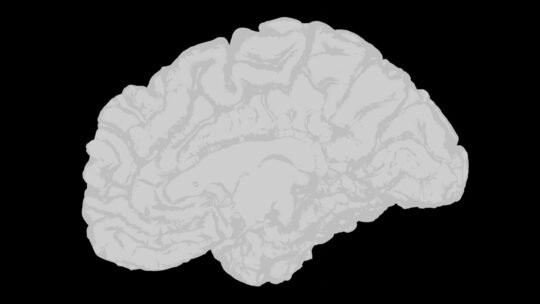
Autism is significantly underdiagnosed in prison populations, which means the true figures are almost certainly higher than what's currently recorded.

England and Wales are holding 72% of prisons at or above their design capacity according to the latest figures from 2024-25.

Fine Cell Work, which teaches prisoners craft skills and art while locked in their cells, achieves a less than 2% reoffending rate.

Scott Dylan is Dublin based British entrepreneur, investor, and mental health advocate. He is the Founder of NexaTech Ventures, a venture capital firm with a £100 million fund supporting AI and technology startups across Europe and beyond. With over two decades of experience in business growth, turnaround, and digital innovation, Scott has helped transform and invest in companies spanning technology, retail, logistics, and creative industries.
Beyond business, Scott is a passionate campaigner for mental health awareness and prison reform, drawing from personal experience to advocate for compassion, fairness, and systemic change. His writing explores entrepreneurship, AI, leadership, and the human stories behind success and recovery.